
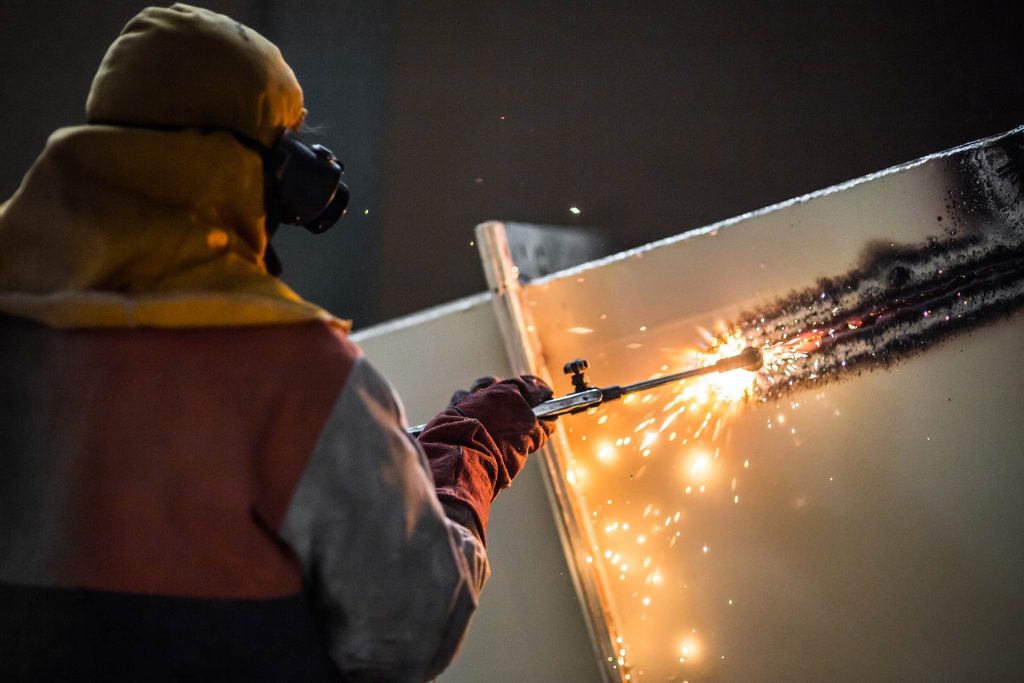
Welding is the backbone of modern metalwork and construction, providing the strength and durability that connect our world together. A professional welding service ensures that every joint, seam, and connection is built to last under intense pressure and environmental stress. The process involves fusing metals through controlled heat and precision, creating a solid bond that can withstand years of use. Skilled welders apply advanced techniques such as MIG, TIG, and Stick welding depending on the project’s needs. Professional services focus not only on the weld itself but also on preparation, alignment, and finishing. Quality welding requires deep knowledge of metal properties and proper equipment settings. Every weld must meet structural integrity standards to guarantee safety. Whether it’s in construction, manufacturing, or automotive repair, precision is everything. A well-done weld prevents equipment failures and structural damage. That’s why professional welding remains an essential part of any durable metal project.
The importance of hiring certified welders cannot be overstated when it comes to ensuring project success. Certified professionals follow standardized procedures that guarantee strength, precision, and reliability. These experts understand the science behind metal fusion and know how to prevent issues such as cracks, porosity, or weak spots. A qualified welding team will always evaluate the material type, thickness, and environment before beginning the process. They also maintain high safety standards, ensuring every step meets industry regulations. Using the correct technique for each project type helps minimize waste and improve efficiency. Experienced welders can also detect potential defects early, saving both time and money in the long run. Clients benefit from long-lasting results that require minimal rework or maintenance. The best welding services invest in continuous training and updated certifications. This commitment to excellence sets professional welders apart from amateur operators.
Modern welding has evolved significantly with the introduction of new technologies and automated systems. Advanced tools now allow for more accurate measurements, deeper penetration, and smoother finishes. Robotic welding arms are commonly used in industries requiring repetitive, high-precision welds. However, human expertise remains crucial for creative and custom fabrication projects. Technology helps welders work faster and more safely, but craftsmanship ensures the work’s integrity. Welding software and digital controls provide consistent power delivery and better heat management. These innovations reduce human error and enhance productivity on large-scale projects. At the same time, data-driven monitoring allows supervisors to track weld quality in real-time. Modern welding shops combine both manual and automated processes for the best results. The future of welding continues to merge tradition with technology.
Safety remains a top priority in any welding operation, regardless of experience or environment. Welders must wear proper protective gear, including helmets, gloves, boots, and fire-resistant clothing. Exposure to sparks, fumes, and high heat can cause severe injuries if not handled correctly. A professional service always follows strict safety protocols to prevent workplace accidents. This includes ensuring adequate ventilation, grounding equipment, and routine safety inspections. Proper training helps workers recognize hazards and respond quickly during emergencies. Many workshops also conduct safety drills to reinforce awareness and compliance. A culture of safety not only protects employees but also boosts overall productivity. Clients can trust that certified welding companies maintain clean, organized, and hazard-free workspaces. Safety is not just a rule—it’s a responsibility that defines professionalism.
Choosing the right welding service provider can make or break your project’s success. A reputable company offers a clear track record of quality work, reliability, and customer satisfaction. They provide transparent quotes, explain the welding process, and help you select the best method for your materials. A good welding partner also values deadlines and ensures that every task aligns with your project timeline. Reviews, certifications, and case studies are great indicators of professionalism. The company should have access to updated equipment and follow industry-approved quality standards. Communication is equally important—clients should feel informed and involved at every stage. Many providers now offer mobile welding services for greater flexibility and convenience. The right choice ensures that you receive durable, precise, and aesthetically pleasing results. When selecting a welding service, experience and trust should always come first.
In conclusion, professional welding services play a critical role in modern infrastructure and industrial growth. From heavy construction to fine metal artistry, welding binds the world’s strongest materials into functional, lasting creations. The quality of a weld determines the safety and performance of countless machines, vehicles, and structures. With proper techniques, equipment, and expertise, welds can endure extreme conditions and heavy loads. Professional welders uphold strict quality control and inspection routines to ensure consistent excellence. Their skills go far beyond joining metals—they build the foundation of safety and stability. Investing in a certified welding service guarantees long-term value and peace of mind. As industries evolve, the demand for precise and safe welding continues to rise. Skilled welders remain the unsung heroes behind strong, dependable engineering. Their craftsmanship literally holds our world together—one spark at a time.